


If you are comparing tools for SEO optimization automation, the honest answer is that you should automate the repetitive middle of your process and keep a human on the edges. Keyword mapping, first drafts, and scheduled publishing are safe to hand off; strategy, fact-checking, and final approval are not. This guide walks through a workflow that does exactly that, shows where a lean team saves the most hours, and explains how steady output compounds into rankings over a single quarter.
The reason to bother is not that machines write better than you. It is that most sites lose to Google and AI answer engines for a boring reason: they stop publishing after a few weeks. Automation fixes the showing-up problem, which was the real bottleneck all along.
Which SEO tasks are safe to automate, and which need a human?
Not every task carries the same risk when a machine does it. A useful way to sort them is by what happens if the output is slightly wrong.
Safe to automate fully:
- Keyword mapping. Pulling a keyword list, clustering it by intent, and assigning one target per page is mechanical work a tool does faster than you.
- First drafts. Turning a keyword and an outline into a structured draft is where automation earns its keep.
- Scheduled publishing. Pushing an approved piece to your domain on a set date needs no human hovering over a button.
- Internal link suggestions and metadata. Titles, descriptions, and slug formatting follow rules a tool applies consistently.
Keep a human in the loop:
- Strategy and topic selection. Deciding which battles are winnable is a judgment call about your business, not a search-volume lookup.
- Any factual claim or statistic. A number is only as good as the source behind it, and only a person can confirm the source says what the draft claims.
- Brand voice and positioning. Automation gets you 90% of the way to sounding like you. The last 10% is where trust lives.
- Final approval. One quick read before publishing catches the problems that erode credibility.
For a fuller breakdown of the boundary between the two, our plain-English guide to SEO automation covers the categories in more depth. The short version: if a mistake would embarrass you or mislead a reader, a human owns that step.
A workflow that automates keyword mapping, drafting, and publishing
Here is a workflow that a solo founder or a two-person marketing team can actually run. It has five steps, and only two of them need your attention each week.
- Map keywords to pages. Start with a backlog of keywords you can realistically rank for. Cluster them by search intent so each cluster becomes one article with one clear target. A tool builds this map; you approve it once.
- Generate the draft. Feed each keyword and its outline into a writer that produces a structured draft with proper headings, short paragraphs, and quotable summary blocks. Bunzy does this step in your own brand voice, learned from your existing site, so the draft starts closer to publishable.
- Review and correct. This is your job. Read the draft, verify any numbers against their sources, and fix anything thin or off-brand. Budget five to ten minutes.
- Schedule the publish. Once approved, the piece goes into a content calendar and publishes to your domain on its assigned date. No copy-paste, no forgetting.
- Retarget from performance data. After pages have been live for a few weeks, pull Search Console data to find queries you almost rank for, then feed those back into the keyword map.

The point of writing it out as steps is to show how little of it requires you. Two steps, both quick. Everything else runs on its own once you have set it up.
Where SEO optimization automation saves the most hours
The instinct is to assume drafting is where the time goes. For most small teams, it is not. The real drain is the weekly decision of what to write, the context-switching to research it, and the friction of getting a finished piece live.
Automation removes those three. When the keyword map already exists and drafts arrive on schedule, you delete the recurring "what should we publish this week" meeting entirely. That decision fatigue is the quiet reason so many blogs go silent.
There is data behind the shift. In HubSpot's 2025 State of Blogging report, 67% of marketers saw content production increase after folding AI into their workflow, and only 4% never use AI tools at all. Higher output is the direct result of removing the manual steps that used to gate it.
The second big saving is consistency itself. A tool does not have a busy week, get sick, or lose motivation in month three. That reliability is worth more to a small team than raw speed on any single article.
Guardrails that keep automated output accurate and on-brand
Speed without guardrails is how automated content earns its bad reputation. A few simple rules keep quality high without slowing you to a crawl.
- Verify every number. If a draft cites a statistic, confirm the source page actually contains that figure before you publish. This single habit prevents the most damaging errors.
- Run a brand-voice check. Read the intro and one middle section out loud. If it does not sound like you, adjust the tone settings and regenerate.
- Set a topic denylist. Some subjects (legal specifics, medical claims, anything about your pricing) should route to a human every time, not to an auto-publish queue.
- Keep a human approval gate. Nothing goes live unseen. A five-minute read is cheap insurance against a public mistake.
This matters because search engines judge the page, not the method behind it. Google's guidance rewards content that demonstrates real expertise and helpfulness, which means automated content that clears a review gate can meet the bar, while content that skips review often does not.
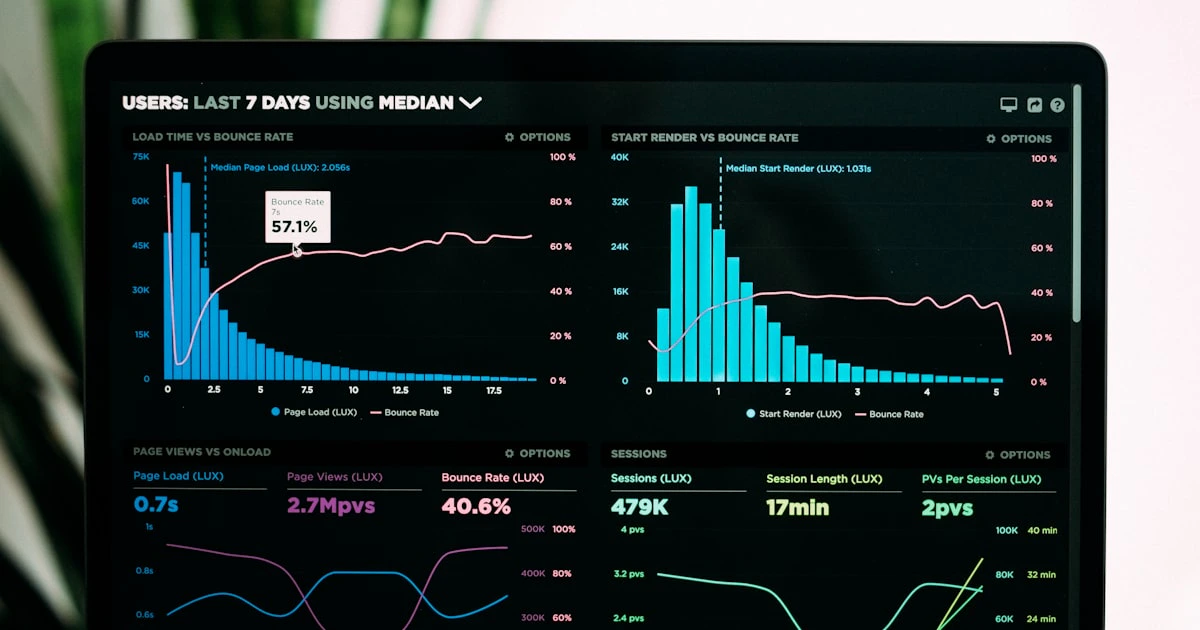
The takeaway is simple: the review gate is what separates automation that helps your rankings from automation that quietly damages them.
How consistent automated output compounds rankings over a quarter
Rankings are a compounding game, and compounding needs regularity. Publish one great article and nothing much happens. Publish a steady stream of relevant, reviewed pages and the effects stack: more indexed pages, more internal links to spread authority, more entry points for search and AI assistants to find you.
The trend shows up in aggregate data. Ahrefs studied traffic across sites and found that websites using AI content grew at a 29.08% median rate year over year versus 24.21% for sites without it, a gap the researchers tied to those sites simply publishing more often. The lever is frequency, and automation is what makes frequency sustainable.
Over a single quarter, the math is straightforward. Thirty to ninety reviewed articles a month builds a library that Google can rank and that answer engines like ChatGPT, Claude, Gemini, and Perplexity can cite. Each piece structured with clear answers, Key Takeaways, and FAQ blocks gives those assistants quotable passages, which is how GEO visibility starts to build.
None of this requires a bigger team. It requires the one thing lean teams struggle to protect: a publishing habit that does not depend on anyone remembering to publish.
Choosing a starting point
You do not need to automate everything at once. Pick the two steps that hurt most (usually deciding what to write and getting it live) and hand those off first. Keep your review gate, connect the output to your own domain, and let a quarter of consistent publishing do the compounding.
If you want that whole loop (keyword backlog, drafts in your brand voice, a monthly calendar, and scheduled publishing to your domain) running without you babysitting it, that is exactly what Bunzy is built to do. Map ten keywords this week, turn on a review step, and see what steady output looks like by the end of the quarter.