


You do not need Ahrefs to rank on Google. For most solo founders and small teams, a cheaper alternative to Ahrefs, built from a few focused tools, covers the same core work for a fraction of the monthly cost. The trick is to stop paying for one expensive all-in-one platform and start paying only for the specific jobs you actually use.
Ahrefs is a genuinely good product. But "good product" and "right spend for your stage" are two different questions. If you are comparing options because the invoice made you wince, this walks through exactly what to replace it with and when the swap makes sense.
Why does Ahrefs pricing outgrow small teams so fast?
Ahrefs prices for agencies and in-house SEO teams, not for one person publishing a few articles a month. Its entry tier already costs more than many bootstrapped founders spend on their entire software stack, and the plans climb steeply from there, with top tiers running well over a thousand dollars a month.
Here is the mismatch. Most small teams use a narrow slice of what Ahrefs offers. You log in, check a few keywords, glance at rankings, and log out. You are paying enterprise-tool prices to run a handful of lookups a week.
Meanwhile, the money question matters more for you than for a large team. Independent industry surveys put typical small-business SEO spend at a few hundred dollars a month total. When a single research tool eats most of that budget, there is nothing left for the part that actually moves rankings: publishing.
That budget pressure is real, but it points to a fix rather than a dead end. Once you see Ahrefs as three tools stapled together, you can replace them one at a time.
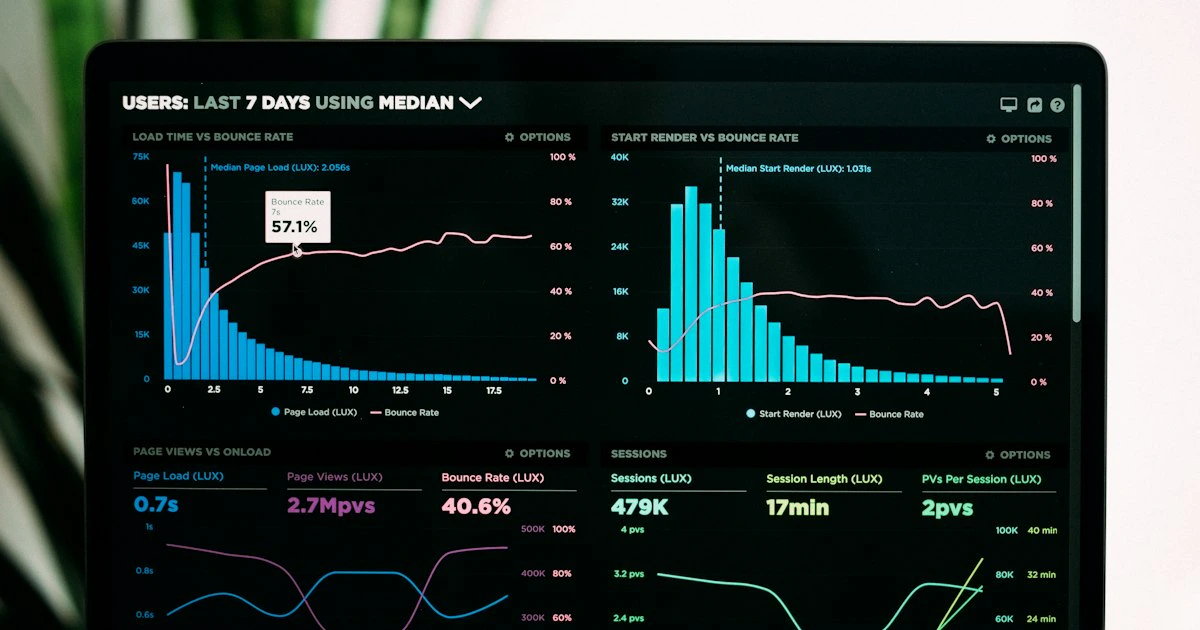
What three jobs does Ahrefs really do for you?
Strip away the dashboards and Ahrefs does three things that a small team relies on:
- Keyword research. Finding what people search for, how hard those terms are to rank for, and which ones you could realistically win.
- Backlink checks. Seeing who links to you and to your competitors, and spotting link opportunities.
- Rank tracking. Watching where your pages sit in search results over time.
Almost everything else in the platform, from content audits to site crawls, is a variation on these three. If you can cover each job cheaply, you can cover the tool.
The honest part: most solo founders lean hard on job one, glance at job three, and barely touch job two. That usage pattern is exactly why a leaner setup works so well. You are not losing capability you use. You are shedding capability you were renting and ignoring.
Which job actually drives your rankings?
Keyword research is the one that turns into money, because it decides what you publish. Backlink data is useful mainly if link building is an active part of your strategy. Rank tracking tells you whether the first two are working. Rank the jobs by how often you act on them, and your budget priorities sort themselves out.
What does a cheaper SEO stack look like in practice?
You can rebuild all three jobs for a fraction of a single Ahrefs tier. Here is a concrete stack.
For keyword research and query discovery: Google Search Console (free). This is the tool people skip because it is free, which is a mistake. Search Console shows the exact queries already sending you impressions and clicks, the pages that earn them, and your average position for each. That is real data from your real audience, not an estimate. For a growing site, it is often better direction than a paid keyword database.
For keyword ideas beyond your own data: a low-cost keyword tool. When you need to research terms you do not yet rank for, a budget keyword tool or even Google's own Keyword Planner fills the gap. You lose some of Ahrefs' polish and index size, but for finding winnable, lower-competition terms, the difference rarely changes what you decide to write.
For rank tracking: free or low-cost trackers. Search Console already reports average position for your queries. If you want daily tracking on a specific keyword list, several free and cheap rank trackers handle a modest set of terms without a subscription.
For occasional backlink checks: free tiers. Most backlink tools, including Ahrefs' own free webmaster tools for your verified site, let you check your profile at no cost. If you rarely act on backlink data, occasional free checks beat a monthly fee.
That stack covers all three jobs. The gap it leaves is deep competitive backlink analysis, which most small teams do not do anyway. For a solo founder, that is a gap worth accepting to keep the monthly bill small.

Why does keyword data usually gather dust in a spreadsheet?
Here is the part nobody selling SEO tools wants to dwell on. The bottleneck was never the research. It was the publishing.
You can export a beautiful list of 200 winnable keywords and feel productive for an afternoon. Then the list sits there. Weeks pass. You mean to write, but a launch happens, a client fire starts, and the spreadsheet quietly goes stale. The problem was never that you lacked keyword ideas. It was that turning ideas into published pages, week after week, is genuinely hard to sustain alone.
Cheaper tools do not fix that. They just make the stalled spreadsheet cheaper. The teams that win are the ones that keep showing up, and consistency compounds in a way a single brilliant post never does. A site that publishes steadily builds topical depth, earns more indexed pages, and gives search engines more reasons to trust it over time.
This is where the shape of the problem changes. If research is cheap and publishing is the real constraint, then the smartest place to spend is on getting pages out the door, not on a fancier database.
That is the gap Bunzy is built to close. It analyzes your site, learns your brand voice and the keywords you can realistically win, then writes and publishes fresh articles to your own domain on a set schedule. The keyword backlog stops being a spreadsheet and becomes a running content calendar that actually ships. It also structures each post with Key Takeaways and FAQ blocks, which matters more every month, because AI answer engines increasingly quote content in that format.
Why does consistent publishing matter more now than a year ago?
Search is changing under your feet. According to Pew Research Center, when Google shows an AI summary, users click a traditional search result only 8% of the time, compared with 15% when no summary appears (Pew Research Center, 2025). Fewer clicks per search means the sites that get cited and surfaced are the ones publishing enough well-structured content to be worth quoting. Consistency is no longer a nice-to-have. It is how you stay visible.
When is it worth keeping Ahrefs, and when does lean win?
A cheaper stack is not always the right call. Keep Ahrefs when:
- Backlink analysis is core to your work. If you do active link building or study competitor link profiles regularly, Ahrefs' index is hard to beat cheaply.
- You manage many sites or clients. Agencies and freelancers juggling multiple domains get real leverage from one deep platform.
- Competitive research drives your strategy. If you constantly reverse-engineer what rivals rank for, you are using the parts that justify the price.
Go lean when:
- You mostly need direction on what to write next. Search Console plus a budget keyword tool answers that.
- You publish for one or two of your own sites. The all-in-one breadth is wasted on a single small property.
- Your real constraint is output, not data. Every dollar is better spent on publishing than on a richer database you barely open.
Most solo founders and small teams fall squarely in the "go lean" column. If that is you, and you want a fuller picture of automating the workflow itself, our guide to SEO marketing automation for small teams covers how the pieces fit together.
Where to go from here
Pick one move this week: open Google Search Console, sort your queries by impressions, and find three terms where you rank on page two. Those are your fastest wins, and you already have the data for free. Write or refresh a page for each, and you will learn more about your own SEO than another month of Ahrefs would teach you. If keeping that pace is the part you know you will drop, that is the moment to let publishing run on autopilot so the data you gather actually turns into pages.